La Bergerie
Rent the shepherd’s house
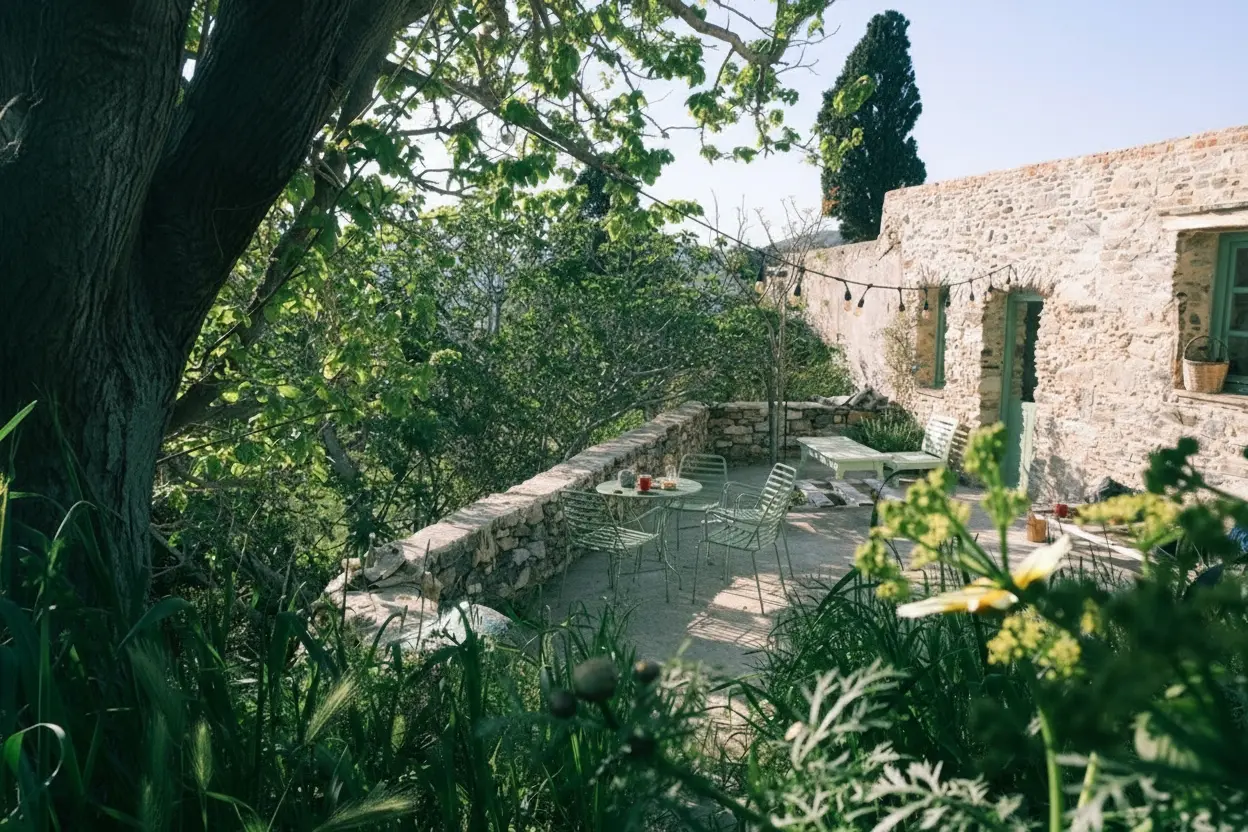
50 m² in stone, a 40 m² terrace over the orchard, one bedroom — for two adults and a child.
- By the week, March → November
- €900 / week · €1,200 in July–August
Rent the shepherd’s house
50 m² in stone, a 40 m² terrace over the orchard, one bedroom — for two adults and a child.
A food forest, layer by layer
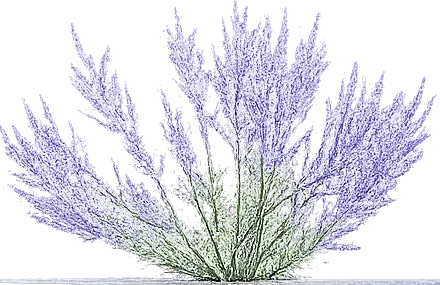
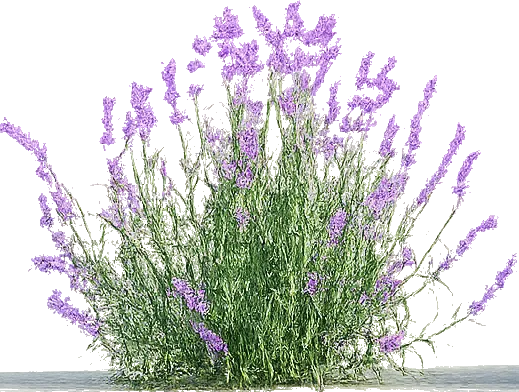
939 plants set between the old citrus trees, layered as in a forest: each one shades, feeds and shelters the next.
Learn moreScroll
@socrates_gardenRent the shepherd’s house
50 m² in stone, a 40 m² terrace over the orchard, one bedroom — for two adults and a child.
A food forest, layer by layer
939 plants set between the old citrus trees, layered as in a forest: each one shades, feeds and shelters the next.
Learn moreHistory
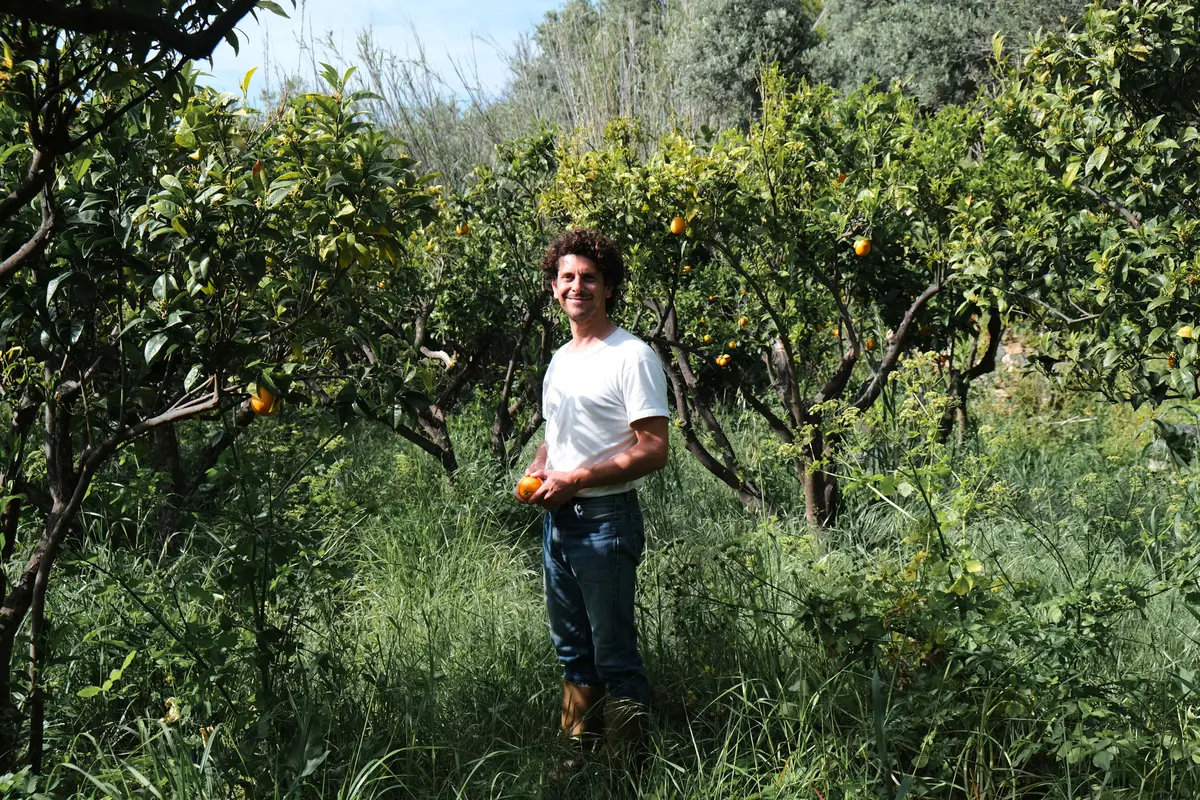
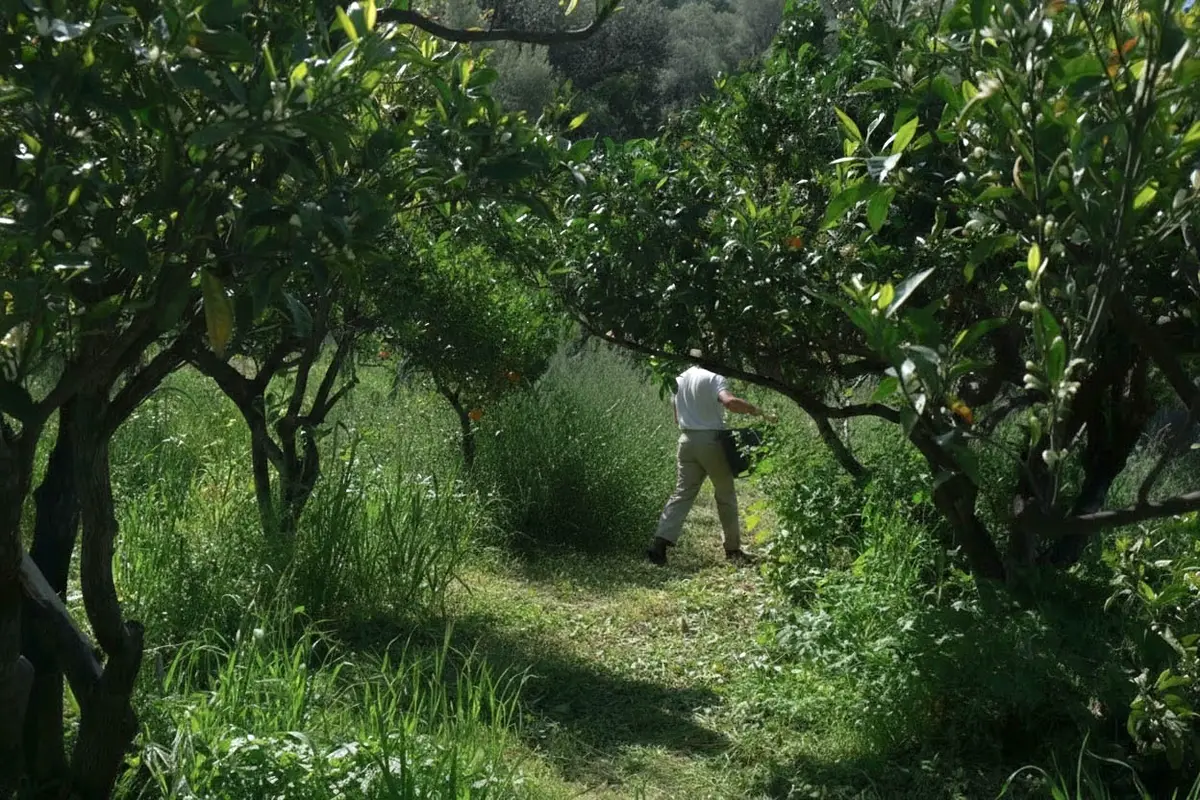
Purchase of an orchard on the path linking the village of Kourounochori to the hamlet of Mili. About forty years old and composed mainly of citrus trees, the orchard had been abandoned for roughly five years. The trees were dying from lack of irrigation, and dense brush made the land difficult and hazardous to access.
Accompanied by Plato and Aristotle: brush clearing, bramble removal, and pruning of citrus and other fruit trees.
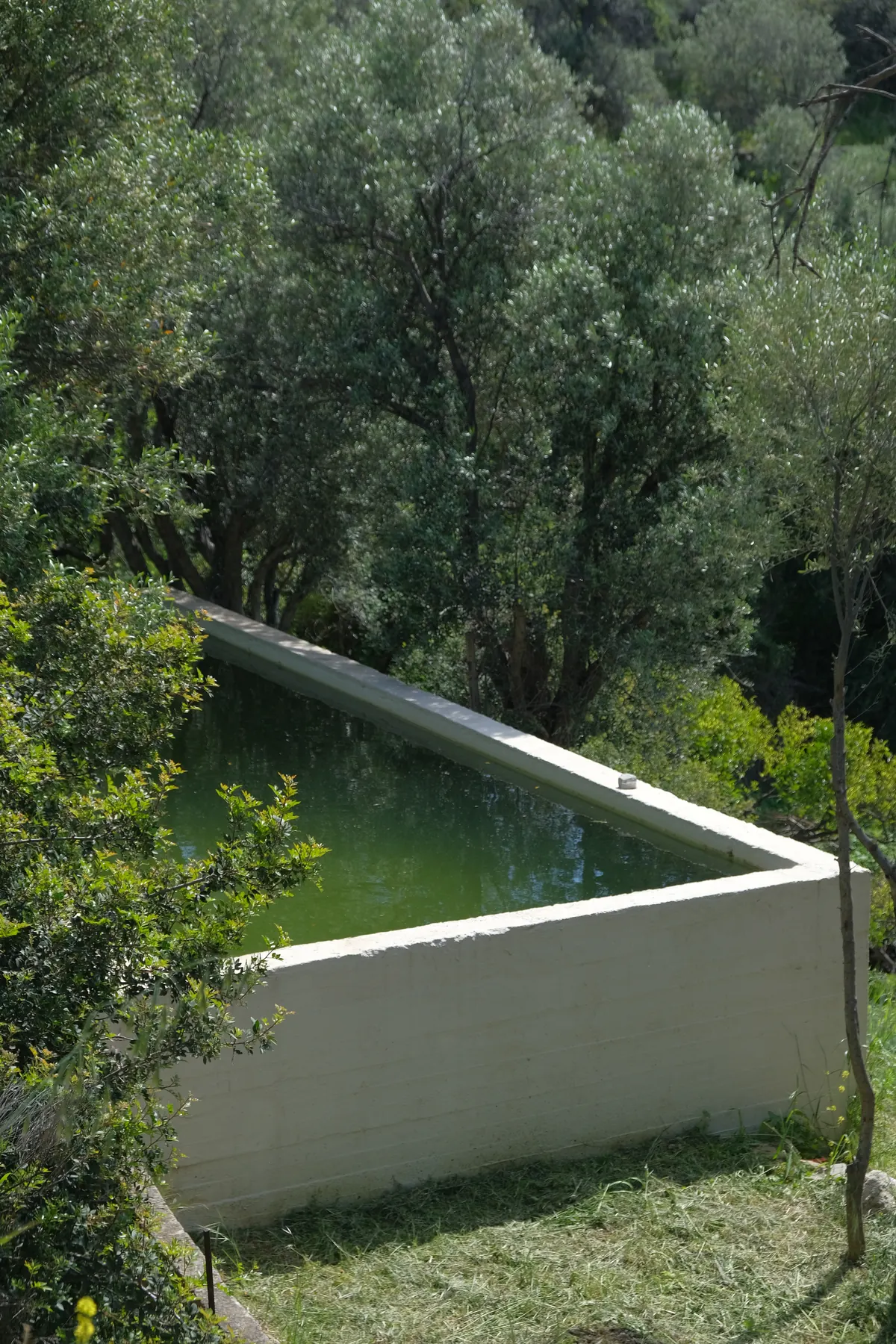
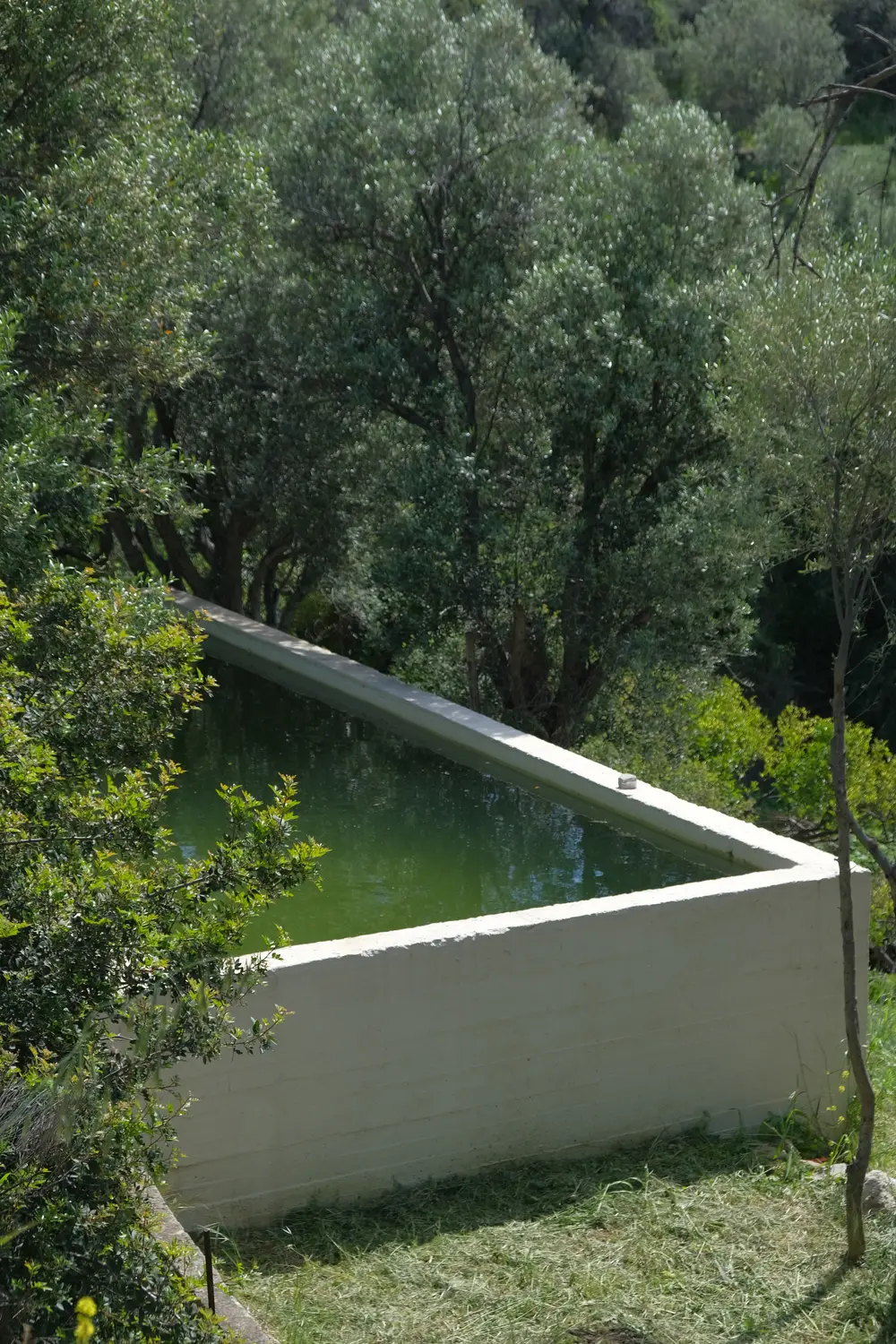
Construction of a 55 m³ water reservoir and installation of a drip-irrigation system.
Renovation of the old stone shepherd’s hut overlooking the plot.
Olive tree pruning and completion of the shepherd’s hut renovation.
The orchard in figures
Manifesto
Socrates' Garden is a forty-year-old citrus orchard in the Melanés valley on Naxos, left to drought and brought back by hand.
Since March 2026, nine hundred and thirty-nine plants of thirty-five species have been growing between its old trees according to syntropy, layered the way a forest would layer them, so that shade, mulch and roots hold the water the island no longer gives freely.
We measure what this changes — soil, flora, insects, birds — and open the data to researchers, because a regeneration nobody can check is only a story.
And we open the place itself: the stone shepherd's house above the terraces welcomes the guests whose stay pays for the planting, the pruning and the patience.
Syntropy
Since 2020 the orchard has been cleared, pruned and irrigated again. Yet its trees now face pressures that barely existed when they were planted forty years ago: rain that falls in fewer, more violent bursts, longer and hotter dry spells, salt carried further inland, eroding terraces and water rationed every summer. Tending the old orchard was no longer enough. To keep it alive — and to make it richer than it has ever been — we had to rethink it: study, experiment, innovate.
In Greece, annual precipitation declined by ~10–25% over 1951–2010. On Naxos, daily records (1955–2007) show near-stable annual totals but a significant rise in very wet days and longer consecutive dry spells. Water stress is driven by event intensity and dry-spell length, not totals (dataset mean 360 mm/year). src
Aegean shift: Warming raises evapotranspiration; aridity indices point to up to +50% drier conditions this century src. On Naxos–Mykonos–Kos, annual rainfall is stable, but temperatures have risen sharply (1961–2019), which increases evapotranspiration and intensifies droughts—even without a strong downward trend in rainfall. src
About 9% of Greece’s irrigated land is impacted by salinization from seawater intrusion—Aegean islands are hotspots in dry years src. On Naxos and other Cyclades, rising demand (tourism & irrigation) can outstrip local capacity, with sea-spray and seawater intrusion shaping island aquifer chemistry. src
Longer dry spells followed by fewer but heavier rains mean erosion is driven by intensity and dry-spell length rather than total rain. Naxos island-wide mapping shows erosion risk has climbed to ~70% “high risk” since 1985 (vs 89% “low risk” in 1950–1970). src
Since the 2000s, the documented degradation of vegetated dunes on Naxos’s west coast has reduced the natural buffer against the meltemi winds. As a result, salt spray penetrates farther inland and evaporation increases on coastal fields. The weakening of coastal flora heightens both salinity and water stress in agriculture. src
Although ~86% of Greece’s water goes to agriculture, summer peaks in domestic/tourism demand on islands reallocate capacity to drinking water (storage, treatment, trucking/desalination) src. Farms are rationed or pushed to saline/insufficient sources, increasing risks of yield loss and soil salinity. src
The syntropic project
Syntropic Agriculture is a regenerative agroforestry system that mimics natural ecological succession and forest stratification to restore soil fertility, increase biodiversity, and produce abundant food — with minimal external inputs. Developed by Ernst Götsch, it works with nature, not against it.
Core principles
Mimics natural progression of ecosystems, integrating species that support each other over time.
Increase spatial and temporal planting density—multiple strata and staged successions—to keep soil shaded, reduce evaporation and weeding pressure, and convert surplus growth into mulch and compost.
Organizes plants in vertical layers (from ground covers to emergent trees) to optimize sunlight use and create microclimates.
Strategic pruning stimulates growth and feeds the soil, creating a self-sustaining fertility loop.
Contrary to competition-based agriculture, syntropy relies on the cooperation of species for systemic resilience.
Syntropy
Syntropy is not only a method — it’s a worldview that sees life as a self-reinforcing force. Its principles are universally applicable and adaptable to any climate — from tropical forests to Mediterranean drylands — making it a truly global model for regenerative agriculture.
Syntropic agriculture increases rainfall capture and retains it longer in the system by combining terraces, living groundcover, and high organic matter soils that act like sponges.
Dense, multi-layer canopies cool soils, suppress weeds, and cut evaporation; pruning turns surplus into moisture saving, humus-building mulch.
Layered canopies create shade and humidity buffers; cooler, shaded soil and air around leaves reduce plant water loss.
On-contour design slows and spreads water, turning heavy winter bursts into steady soil moisture instead of runoff.
Permanent cover, root density, and biomass cycling bind soil particles and strengthen terrace stability during intense storms.
Living windbreaks and interior hedgerows lower wind speed at crop height, protecting foliage and reducing irrigation spikes.
Salt-tolerant belts and rootstocks intercept spray and moderate ion uptake; diverse companion plantings help buffer salinity in soils.
Functional diversity (pollinators, predators, mycorrhizae) dampens shocks, supports nutrient cycling, and stabilizes yields in dry years.
Species selection and staggered phenology spread water demand across the season, aligning growth with the island’s winter-wet, summer-dry pattern.
Local biomass loops and soil biology reduce dependence on external inputs, keeping the system productive under supply constraints.
The layers of the orchard
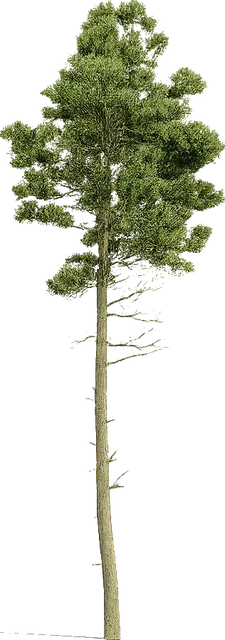
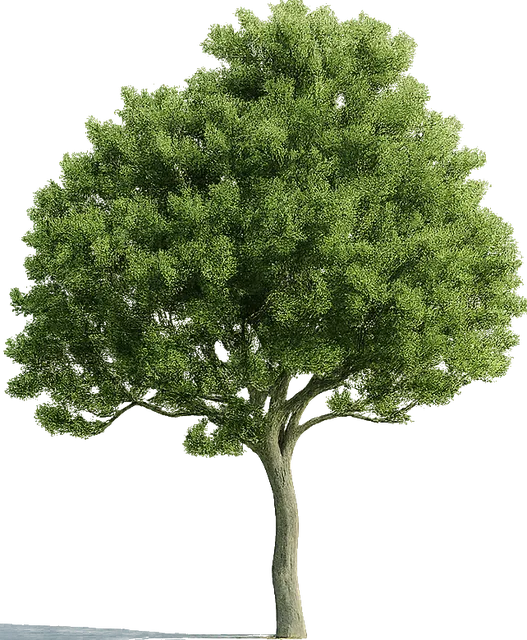
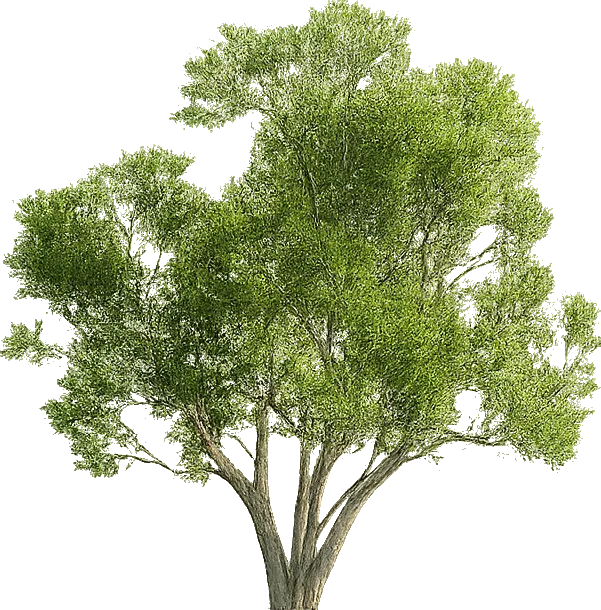
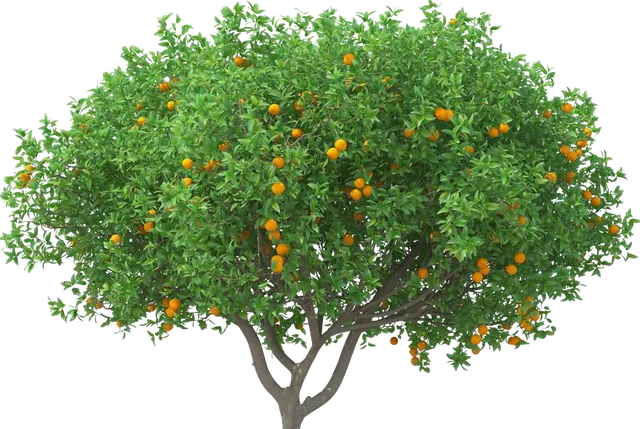
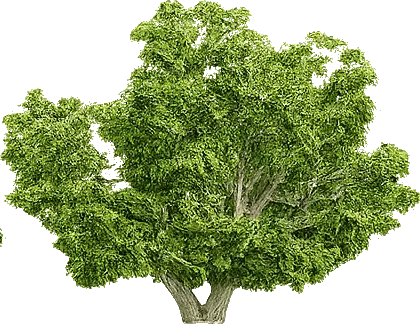
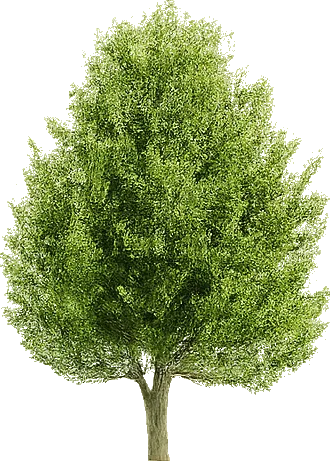
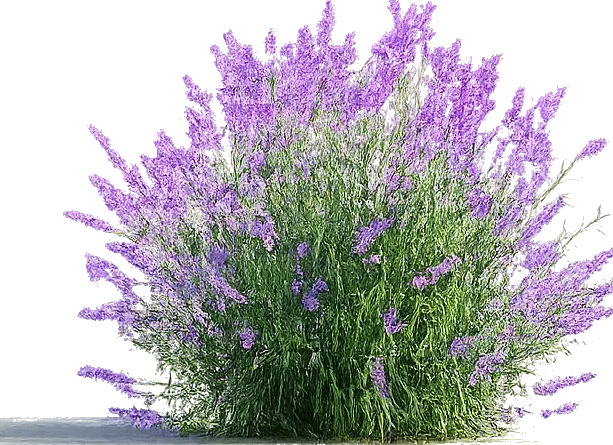
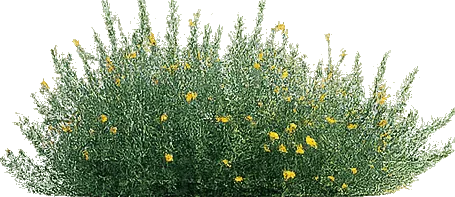
A syntropic system is designed to catch as much sunlight as possible and to let as little as possible fall on bare ground. Every height is occupied — emergent trees, canopy, fruit trees, shrubs, ground cover — each layer using the light the one above lets through. Just as a mountainside offers more living surface than a flat field of the same footprint, the stacked layers multiply the leaf area that turns light into biomass, shade and humus.
The laboratory
Year zero · April 2027
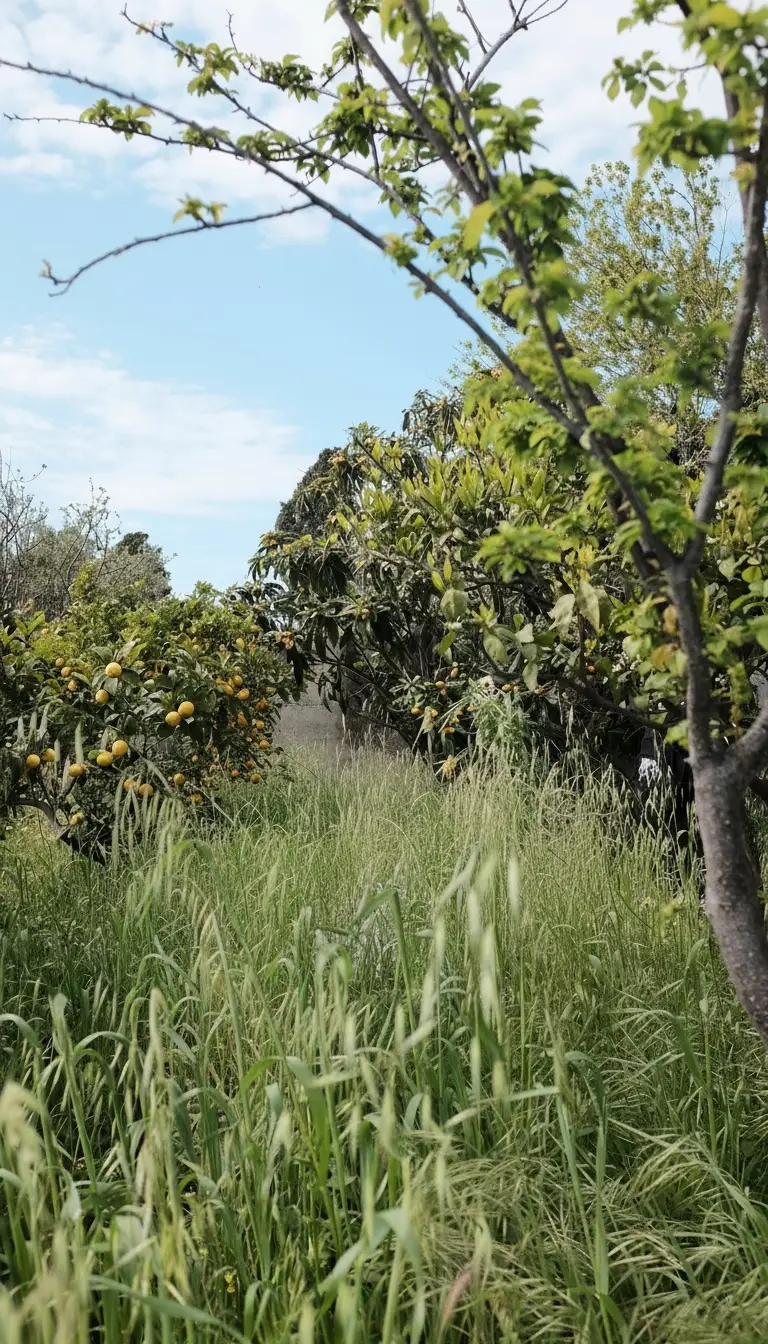
Two field campaigns a year, in April and October. Few indicators, always at the same points: soil organic matter and pH, earthworms, infiltration, decomposition, spontaneous flora, 15 to 20 reference trees, pollinators, birds, fixed photo points.
Two weeks · April or October
For a master’s student or a researcher in agroecology or agroforestry: two weeks of fieldwork within a thesis, with accommodation at the shepherd’s house and a travel contribution. The data stays open.
Two weeks · off-season
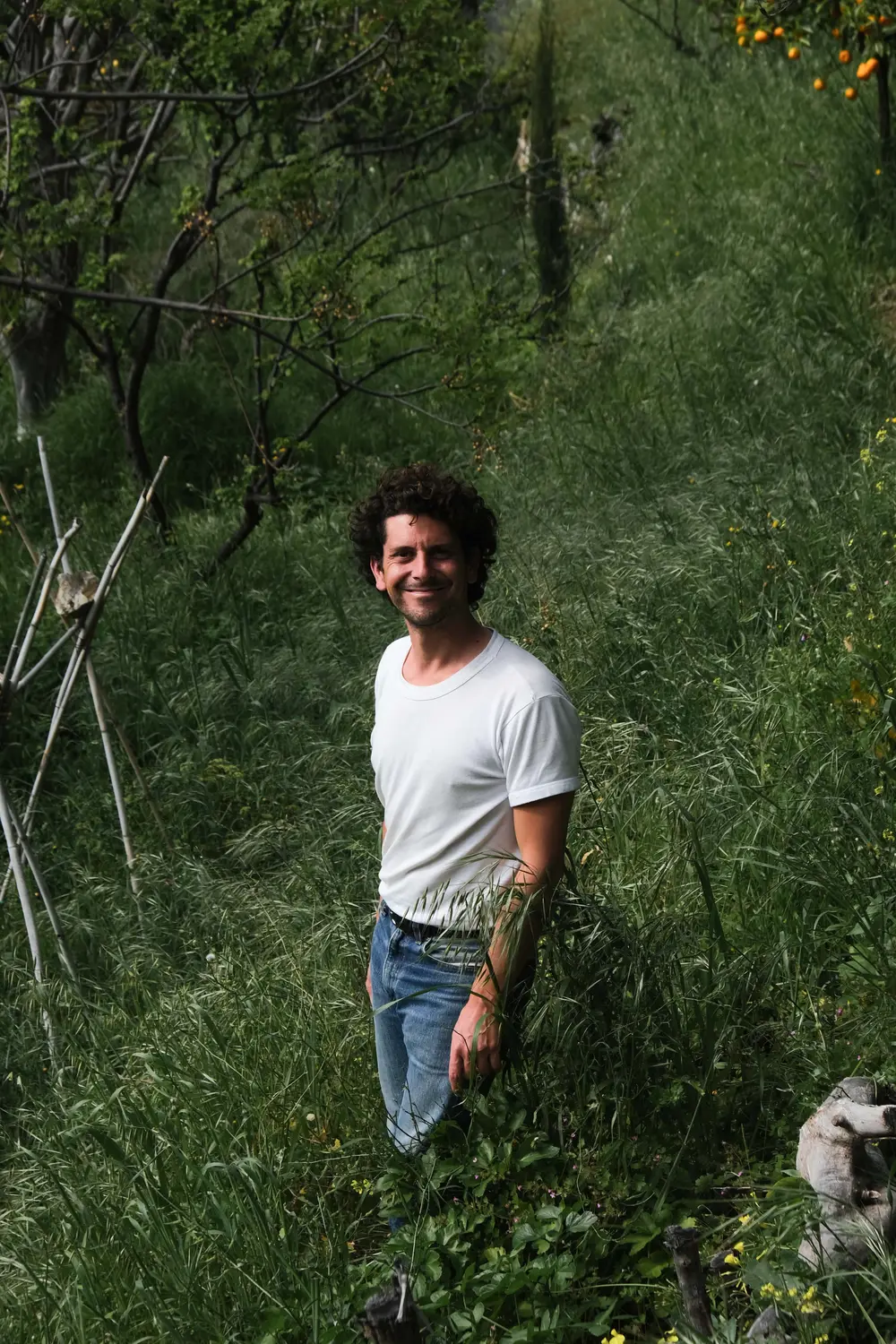
In partnership with La Chapelle Saint-Antoine, the contemporary art residency on Naxos. Two weeks of quiet for a writer, facing an orchard that changes before their eyes.
La Bergerie
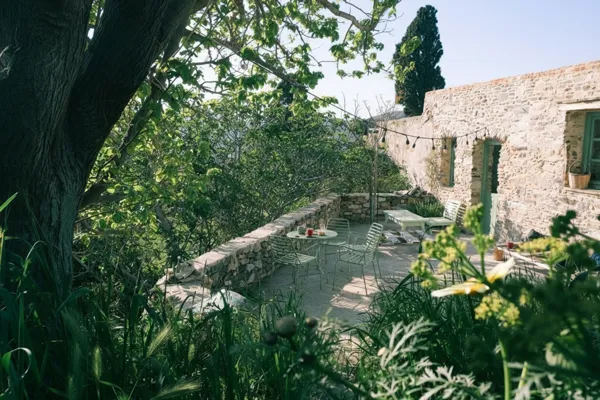
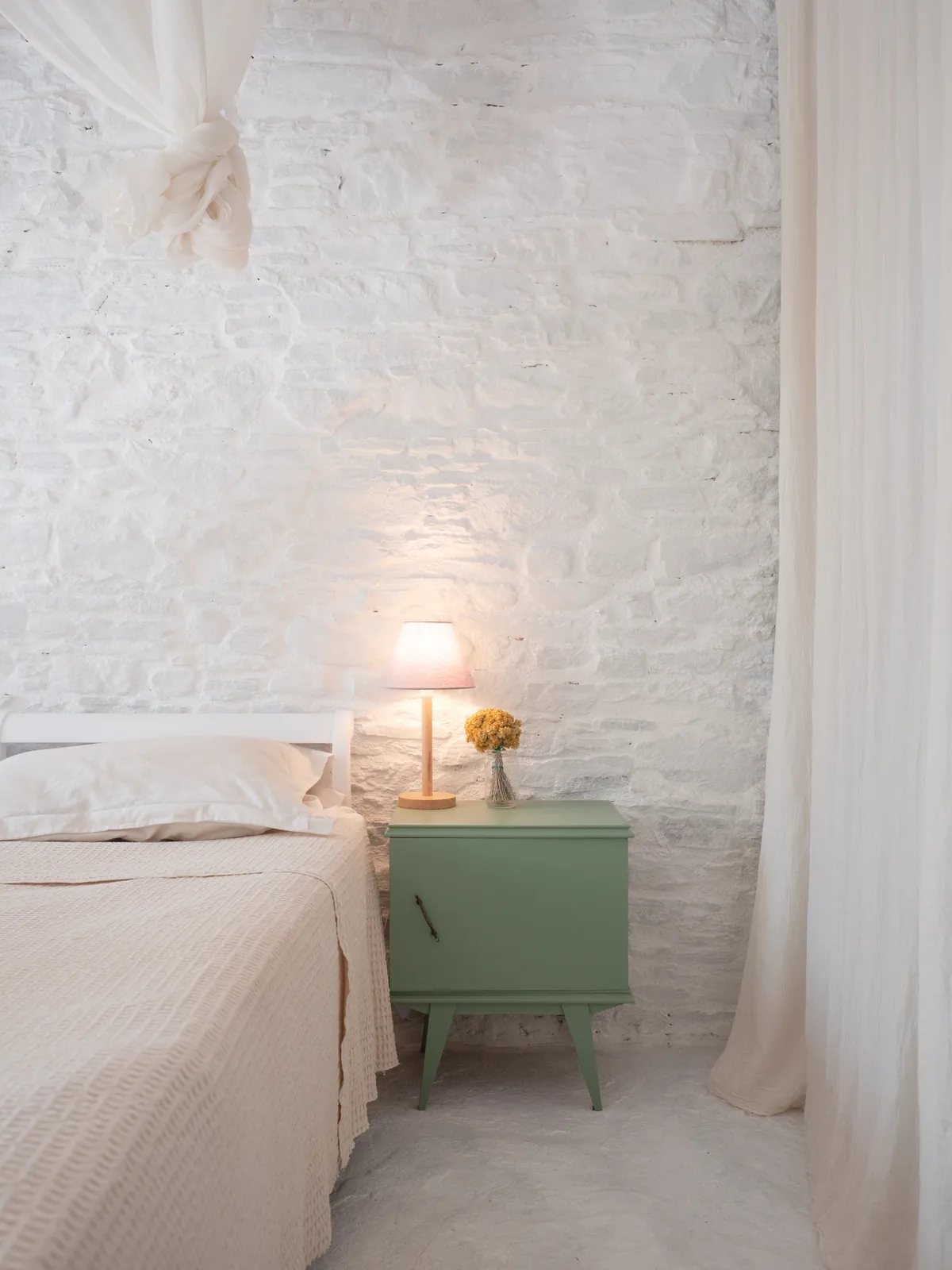
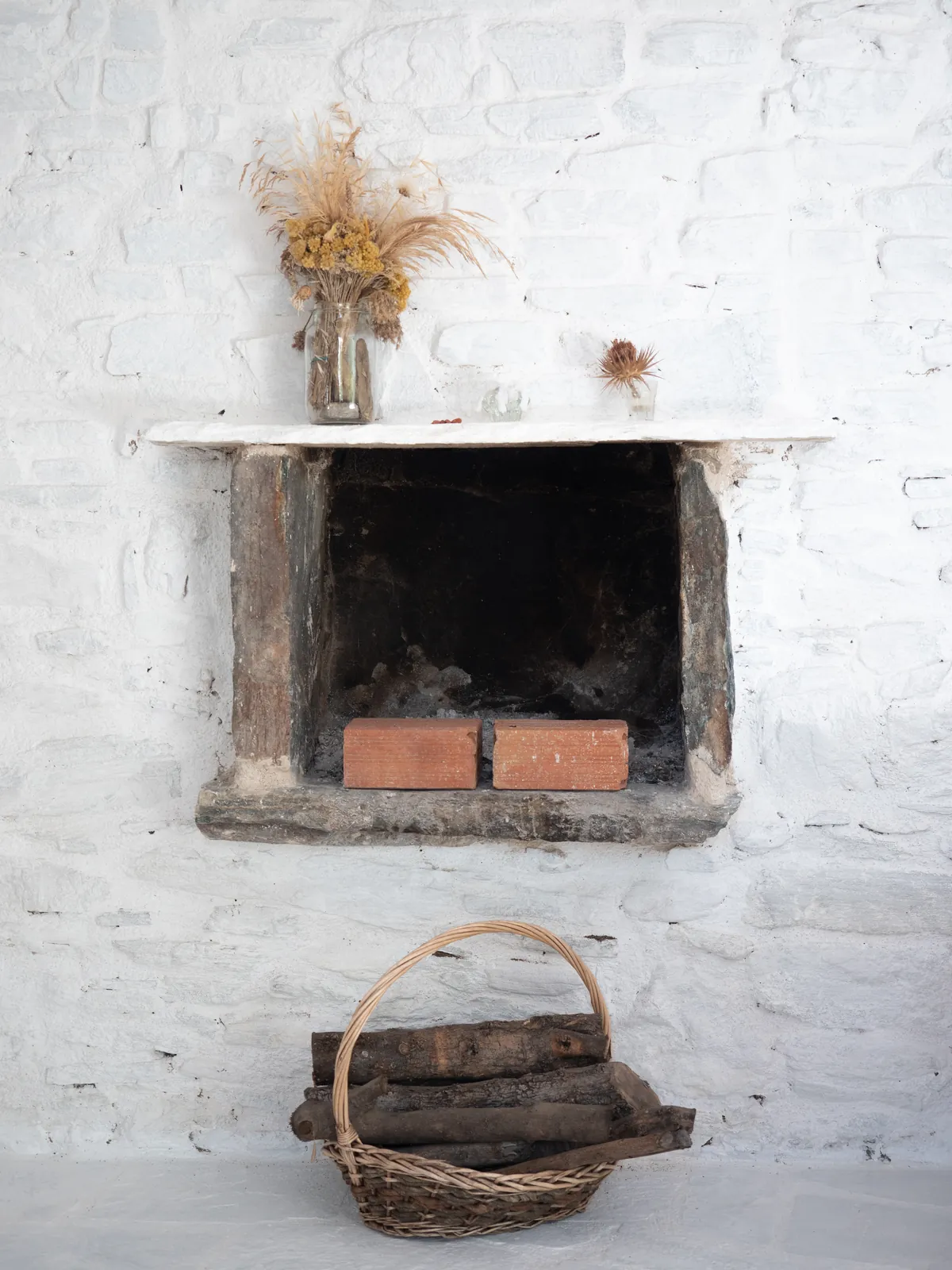
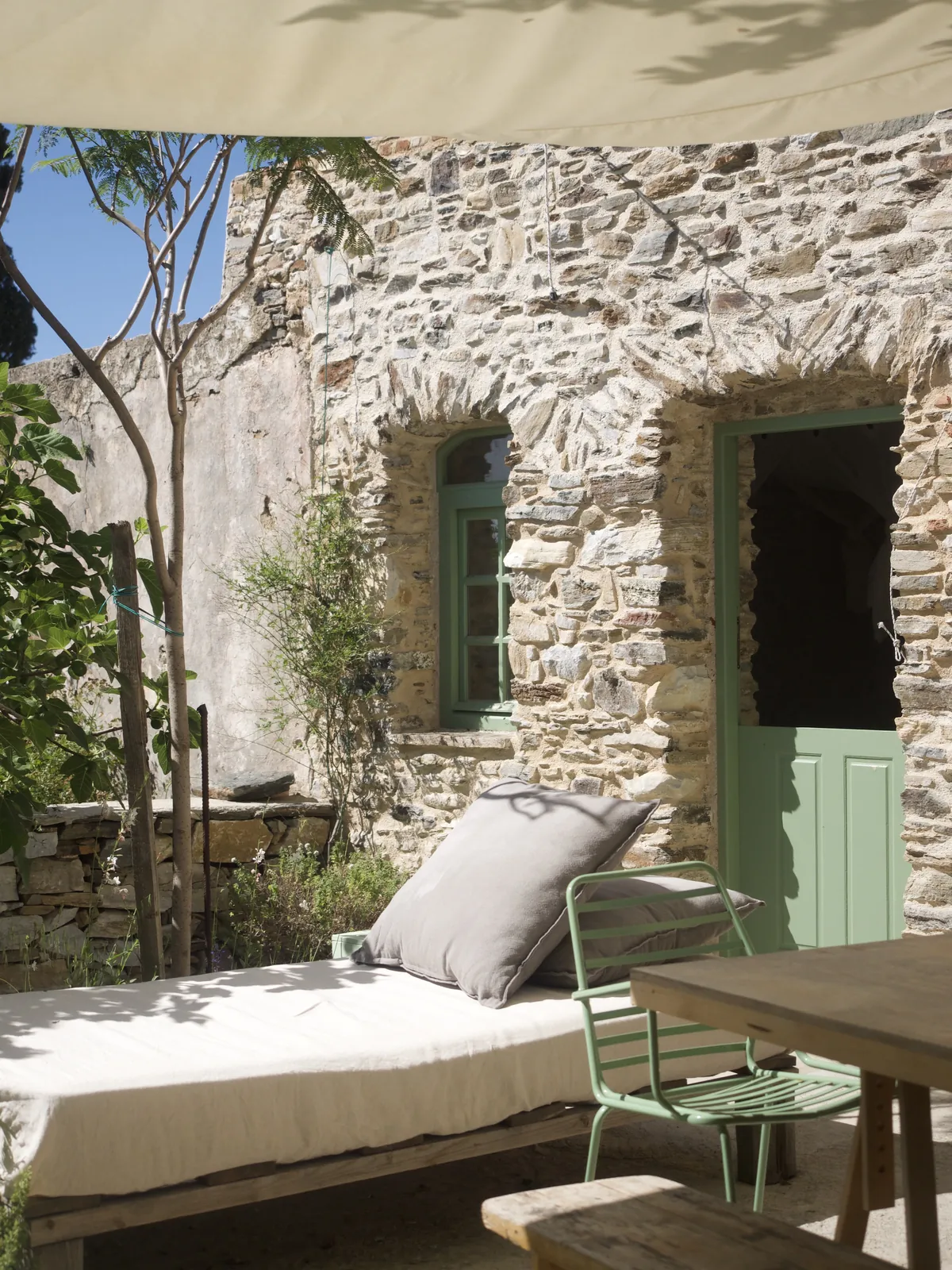
Dry-stone walls, white lime, painted beams, linen and pale wood. Restored between 2023 and 2025, the old shepherd’s house looks down over the terraces, between Kourounochori and Mili. Made for two, with room for a child.
900 €per week
1,200 €in July and August
Calendar of the sky
The house is open from March to November, and no two stays find the same orchard: other stars, another moon, other flowers and other fruit.
Season · March → November
Availability
Residency window
The house rests this month. It reopens in March.
AvailableBooked
In flower Harvest
Press
Origins, figures, the syntropic project, the laboratory, the residencies and the house — in one document.